
 Deutsch
 Español
 Français
 Nederlands
 Português
 Русский
 日本語
日本語 Bahasa Indonesia
Category Archives: About Batik


Oct
Carolina Josephine van Franquemont is Netherlands women were touted as the first Netherlands citizens established a batik factory in Indonesia. In the hands of Caroline-lah, stands a batik factory in Surabaya in 1840 that would later become part of the history of the development of batik in Indonesia, particularly the coastal batik. Caroline, who eventually […]

Oct
History of Oey Soe Tjoen begins in Pekalongan in 1925. Oey young. With Jade Nio Tjoen Kwee, his wife, he pioneered the batik. His house in Jalan Raya Kedungwuni, Pekalongan, as place of business. According to the third generation of Widianti Oey Soe Tjoen “production process can be up to one and a half years,” […]

If the material is in a good condition (no stain) it should be washed and rinsed using clean water about 3-5 times. On the contrary, if it is stained, it should be washed by using a liquid shampoo (a tablespoon for 3 liter) and then, dip it. Please don’t rub when washing and don’t use […]
If the material is in a good condition (no stain) it should be washed and rinsed using clean water about 3-5 times. On the contrary, if it is stained, it should be washed by using a liquid shampoo (a tablespoon for 3 liter) and then, dip it. Please don’t rub when washing and don’t use […]
Aug
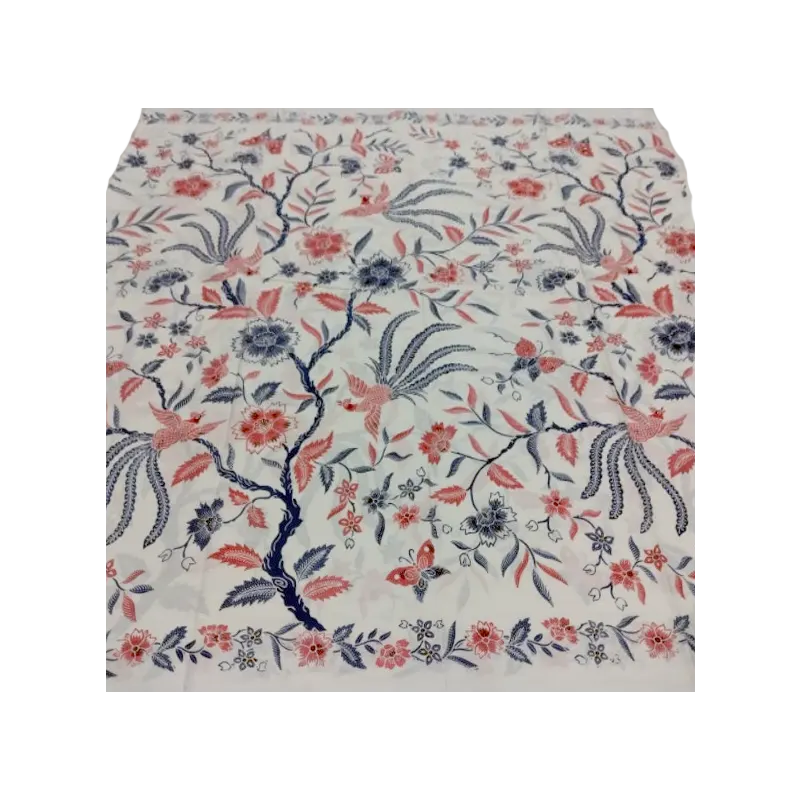
Forget the muted browns and deep indigos often associated with traditional Javanese textiles. Step into the vibrant, sun-drenched world of Pekalongan, where the coastal breeze meets an absolute explosion of color. Unlike the reserved, earthy tones of inland royal courts like Solo and Yogyakarta, the textiles from this northern coastal city are a brilliant riot […]
Aug
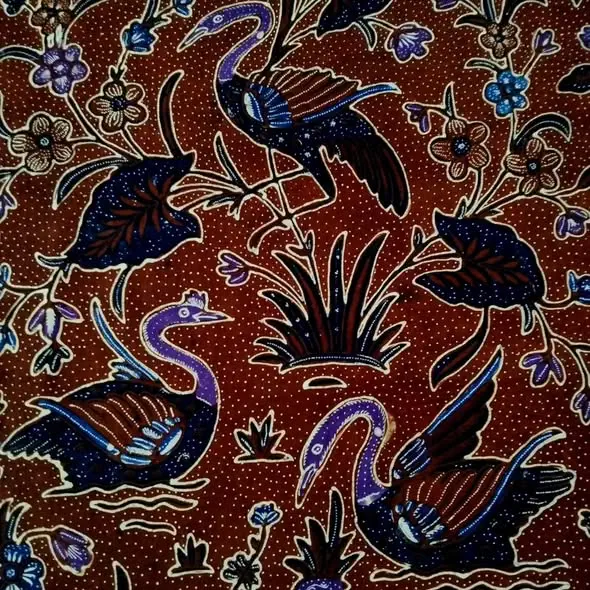
The conclusion of the 1830 Java War against Dutch colonial forces triggered a massive cultural diaspora. Royal loyalists and master artisans fleeing the conflict decentralized the highly guarded textile arts of the Mataram courts across the Indonesian archipelago. This exodus laid the foundation for a dynamic evolution, transforming an aristocratic discipline into a thriving interregional […]
Aug
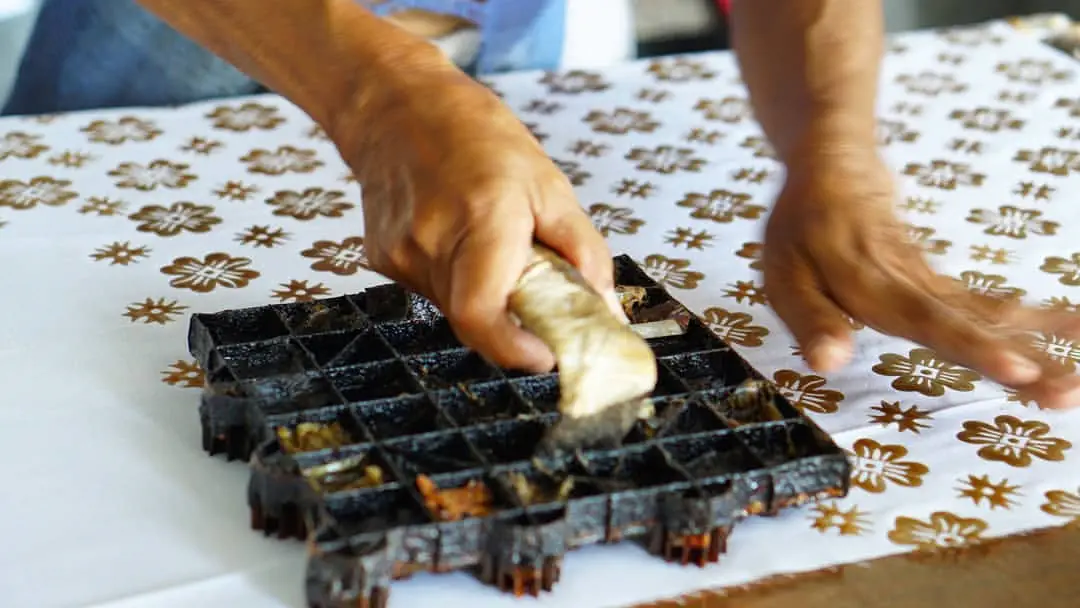
Quick Summary for Batik Enthusiasts: Although the art form of batik is incredibly intricate, the batik tools used to create it remain beautifully simple. The core of authentic manual batik production relies on four essential elements: Canting: A traditional copper pen used to draw fine lines with hot wax. Tjap (Cap): Precision-made copper stamps for […]
- 1
- 2