
 Deutsch
 Español
 Français
 Nederlands
 Português
 Русский
 日本語
日本語 Bahasa Indonesia
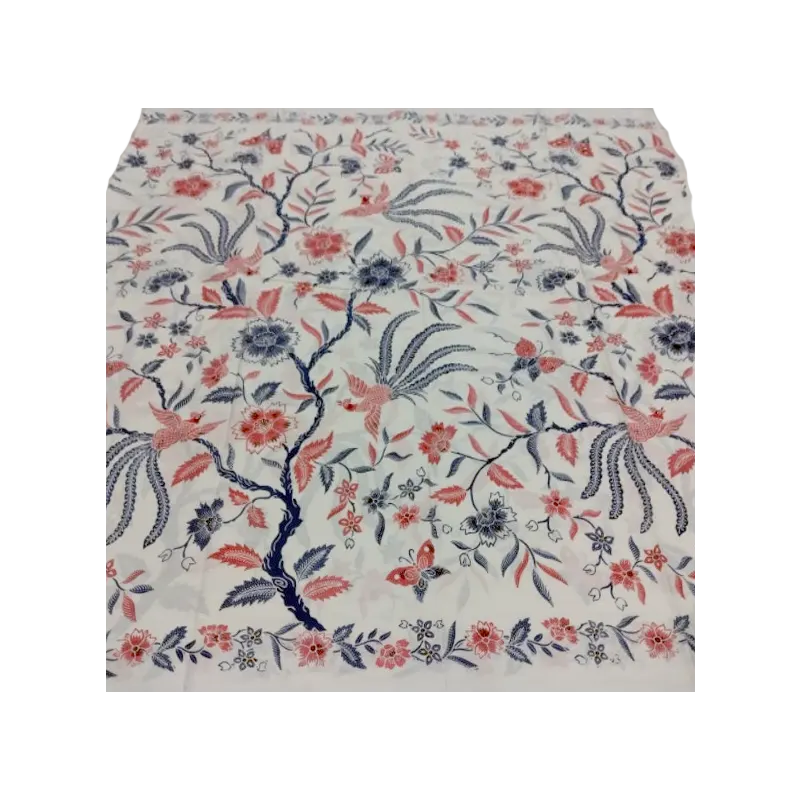
Forget the muted browns and deep indigos often associated with traditional Javanese textiles. Step into the vibrant, sun-drenched world of Pekalongan, where the coastal breeze meets an absolute explosion of color. Unlike the reserved, earthy tones of inland royal courts like Solo and Yogyakarta, the textiles from this northern coastal city are a brilliant riot of exotic pinks, ocean blues, and sunny yellows, perfectly capturing centuries of lively global trade.
Pekalongan Batik is a type of Batik Pesisir (coastal batik) from Central Java, Indonesia, renowned for its dynamic, vibrant colors and eclectic motifs intricately influenced by Chinese, Dutch, Arab, and Japanese cultures.
When you hold a piece of authentic fabric from batiksfabric.com, you are touching nearly a century of living history. Our family enterprise has been deeply embedded in this craft since the 1930s. What started with our grandfather’s dedication to manual textile artistry evolved into formal factory operations by 1960. Since 2010, we have proudly exported these genuine, handcrafted pieces to the world. By focusing on authentic tulis (hand-drawn) and cap (stamped) techniques on premium cotton and rayon, we work directly alongside local Pekalongan artisans to ensure every single yard honors the true spirit of our coastal heritage.
What Makes Pekalongan The “World’s City of Batik”?
Pekalongan isn’t merely a town that produces Javanese traditional fabric; it is the undisputed global capital of the craft. This prestige isn’t just a local marketing claim—it is a globally recognized fact. Validating its profound cultural significance, UNESCO officially designated Pekalongan as a Creative City of Crafts and Folk Art. This prestigious recognition cements the city’s authoritative status on the world stage, ensuring that when you purchase a piece of Pekalongan fabric, you are investing in a globally protected artistic heritage.
To understand how our city achieved this unparalleled status, you have to look at its geography. Strategically positioned as a major maritime port along the northern coast of Java—a bustling trade route known locally as the Pantura coast—Pekalongan has historically served as a vital intersection for international commerce.
For centuries, merchant galleons from China, India, the Arabian Peninsula, and Europe dropped anchor in our harbors. This geographic advantage transformed the coastal city into a vibrant epicenter of cultural assimilation. Instead of resisting these foreign influences, local artisans masterfully embraced them. They absorbed the diverse aesthetics, philosophies, and color palettes of these global traders and seamlessly integrated them into traditional Javanese wax-resist dyeing techniques. The result is a dynamic, living textile tradition that literally tells the story of global trade, meticulously drawn in hot wax right here on our shores.
The Cultural Fusion: 4 Global Influences in Pekalongan Batik
The true magic of our authentic coastal textiles lies in their historical diversity. Because merchant galleons from across the globe regularly anchored in this northern port, local artisans masterfully adapted their designs to captivate international tastes. Today, as we continue to produce these fabrics using traditional manual cap and tulis techniques on premium cotton and rayon, every yard we create preserves these four distinct historical footprints.
Understanding these global influences helps you appreciate the rich narrative woven into your wardrobe. Here is how centuries of trade shaped our signature motifs:
| Cultural Influence | Signature Style | Key Motifs & Design Elements | Distinctive Features |
| Chinese | Encim Batik | Mythological Phoenix (Hong), majestic dragons, and blooming lotus flowers. | Dominated by soft, elegant pastel color palettes. |
| Dutch & European | Buketan | European-style floral bouquets, graceful swallows, Roman gods, and fairy tale characters. | Highly decorative with bright, vibrant contrast. |
| Arab & Indian | Jlamprang Motif | Striking geometric shapes and intricate nitik (dotted) patterns inspired by Indian Patola woven cloths. | Strictly avoids depictions of living creatures, reflecting Islamic artistic traditions. |
| Japanese | Batik Jawa Hokokai | Extremely detailed cherry blossoms and delicate butterflies, emerging during the 1940s occupation. | Features a unique Pagi-Sore (morning-afternoon) layout, displaying two distinct patterns on a single piece of fabric. |
This incredible cultural melting pot ensures that every piece of fabric is more than just material—it is a wearable piece of global history.
Key Characteristics of Authentic Pekalongan Batik
If you are accustomed to the rigid, highly symbolic traditions of Inland Javanese textiles (Batik Keraton from Solo or Yogyakarta), exploring coastal batik feels like a breath of fresh air. While royal court batik relies heavily on subdued, earthy tones and strict ancestral guidelines, coastal artisans embrace freedom, nature, and bold expression.
When you examine a genuine piece of handmade Indonesian coastal batik, whether expertly applied to breathable cotton or flowing rayon, you will immediately recognize these three defining hallmarks:
Vibrant, Unapologetic Color Palettes: Coastal life is energetic, and the fabrics beautifully reflect that vitality. Instead of limiting themselves to traditional deep indigos and earthy browns (soga), our artisans utilize daring, cheerful hues. Expect to see striking ocean blues, radiant pinks, sunny yellows, and lush greens that instantly command attention.
Dynamic Flora & Fauna: Unbound by the strict, philosophical geometry required by royal palaces, coastal motifs flow with a naturalistic grace. The flora and fauna are remarkably dynamic and free-spirited. Vines curl effortlessly across the fabric, floral bouquets (buketan) bloom with realistic depth, and birds are illustrated with a vibrant sense of movement.
Complex Isen-isen (Detailed Fillings): A true testament to the artisan’s skill is the isen-isen—the tiny, intricate patterns used to fill the negative space behind the main motifs. In authentic Pekalongan pieces, these background fillings are exceptionally dense and complex. Achieving this level of meticulous detail requires immense dedication, whether the wax is carefully drawn by hand with a traditional canting pen (tulis) or precisely applied using hot copper blocks (cap).
Why Choose Pekalongan Batik Fabric for Your Wardrobe or Project?
Choosing the right material for your next creative endeavor goes beyond just picking a pretty pattern. When you source your textiles directly from the artisans at batiksfabric.com, you are investing in quality, community, and heritage. Here is why our authentic coastal fabrics are the perfect choice for your next masterpiece:
Unmatched Versatility for Fashion and Quilting: The dynamic energy of coastal textiles translates effortlessly into contemporary design. The fluid drape of our premium rayon is absolutely perfect for sewing breezy summer dresses and relaxed casual shirts. Furthermore, our premium cotton collections are a dream for crafters and quilters. The meticulously hand-dyed and stamped patterns—featuring brilliant colorways like amber honey yellow, ocean blue, and teal watercolor stripes—add incredible depth, texture, and cultural flair to any bespoke quilting project.
Sustainable, Ethical, and Community-Driven: In an era dominated by fast fashion, genuine manual craftsmanship is a rarity. By choosing fabrics from batiksfabric.com, you are actively championing the slow fashion movement. Most importantly, your purchase directly empowers the dedicated communities of female artisans in Pekalongan. We are deeply committed to sustaining their livelihoods and preserving the intricate, manual techniques of cap, tulis, and hand-painting that define our family’s legacy.
A Wearable Piece of World History: We believe that you are not merely purchasing a yard of fabric; you are acquiring a tangible piece of art. Every application of hot wax and every vibrant dye bath carries the enduring legacy of global merchants and centuries of coastal trade. It is an emotional connection to a rich narrative, allowing you to wear—or quilt with—a beautiful slice of Indonesian history.
How to Identify Genuine Handmade Pekalongan Batik (Tulis & Cap)
Navigating the world of traditional textiles can be daunting, especially with the market flooded by machine-printed fabrics masquerading as the real deal. Drawing from decades of daily hands-on experience in our manufacturing facilities—overseeing everything from the first drop of hot wax to the final dye bath—we want to share the insider secrets to authenticating your fabric.
Whether you are evaluating a highly detailed Batik Tulis (drawn entirely by hand using a canting pen) or a beautifully repetitive Batik Cap (applied using traditional copper stamps), these three practical tests will help you separate genuine wax-resist textiles from standard machine prints:
The Bleed-Through Test (Check the Reverse Side): This is the golden rule of authentication. In authentic manual batik, the hot wax and dyes penetrate deep into the fibers of the cotton or rayon. When you flip the fabric over, the colors and patterns on the back should be almost as vibrant and clearly defined as they are on the front. If the reverse side is pale, white, or faded, it is a machine-printed textile where the ink only sits on the surface.
Embrace the Imperfections (The Beauty of Wabi-Sabi): Machine prints are mathematically flawless, but human artistry is beautifully imperfect. When inspecting genuine tulis or cap, look closely at the lines and dots. You will notice slight variations in line thickness, tiny drops of stray wax, or slight overlaps where a copper stamp was lifted and repositioned. These subtle irregularities—a concept akin to wabi-sabi—are the hallmarks of true human craftsmanship, guaranteeing that your piece is entirely unique.
Smell the Authenticity (The Aroma of Malam): Genuine batik engages all the senses, including smell. Authentic pieces are created using a specific blend of hot beeswax and resins, known locally as malam. Even after the fabric has been boiled to remove the wax, it often retains a faint, distinct, and earthy aroma. Machine-printed fabrics, on the other hand, will either smell completely neutral or carry the harsh, chemical scent of industrial textile inks.
Caring for Your Authentic Batik Fabric
Investing in genuine, handcrafted textiles means committing to their preservation. Because our artisans use specialized dyes and manual techniques to achieve those vibrant coastal colors, your fabric requires a slightly different approach to laundering than standard machine-made clothing.
Drawing from our deep, everyday experience in handling delicate hand-dyed cottons and flowing rayons, here are the three golden rules for maintaining the brilliance of your fabric for years to come:
Wash with Lerak or a Mild Detergent: The absolute best way to wash traditional batik is by using lerak, a natural Indonesian soap nut extract specifically formulated to clean and preserve traditional dyes. If lerak is not available in your region, opt for a very gentle, mild liquid detergent (such as those meant for baby clothes or delicates). Always hand wash in cold water or use the gentlest delicate cycle on your washing machine.
Dry in the Shade (Avoid Direct Sunlight): The intense, dynamic colors of Pekalongan textiles—from vibrant amber honey yellows to teal watercolor stripes—are sensitive to harsh UV rays. To prevent fading, never wring out the fabric aggressively, and always air dry your pieces in a shaded, well-ventilated area.
Strictly No Bleach: Never use bleach, harsh chemical stain removers, or strong fabric softeners on authentic cap or tulis fabrics. These harsh chemicals will instantly strip the carefully applied dyes and ruin the intricate isen-isen background details that our artisans worked so hard to create.
Where to Buy Authentic Pekalongan Batik Online
Finding genuine, handcrafted coastal batik online can be challenging in a market saturated with cheap machine-printed imitations. At batiksfabric.com, we bridge the gap between traditional Javanese artisans and global creators. As a proud continuation of the Ambologo family enterprise, which has been deeply rooted in this craft since the 1930s, we bring the authentic spirit of the Pantura coast directly to your doorstep.
When you shop with us, you are protected by our strict Authenticity Guarantee. We exclusively curate and manufacture 100% genuine manual cap, tulis, and hand-painted textiles on premium cotton and rayon—we absolutely never sell machine prints. Furthermore, having successfully exported our family’s textiles worldwide since 2010, our reliable global shipping ensures that no matter where you are in the world, your beautifully packaged fabrics will arrive safely and swiftly.
Ready to incorporate the world’s most vibrant coastal fabric into your next fashion or quilting project?
Dive into our rich heritage and Shop our Collection for stunning, historically rich geometric patterns.
Looking for dynamic, contemporary colorways? Explore our latest hand-dyed ranges featuring striking designs like our Earth Green Rose Purple Stripe and vibrant Ocean Blue fabrics in our Shop All Fabrics
Frequently Asked Questions (FAQ)
What is Pekalongan batik known for? Pekalongan batik is renowned for its vibrant, dynamic colors and eclectic coastal motifs. It heavily features diverse cultural influences, including Chinese, Dutch, Arab, and Japanese designs, setting it apart from the darker, more constrained styles of inland Java.
How is Pekalongan batik different from Solo batik? Solo batik utilizes earthy, subdued colors like brown, indigo, and cream, following strict royal palace rules and symbolic geometry. In contrast, Pekalongan coastal batik embraces bright, vibrant colors and free-flowing, naturalistic designs without strict royal constraints.
What does the Jlamprang motif symbolize? The Jlamprang motif is a geometric pattern inspired by Indian Patola fabrics. It reflects Arab and Indian influences and strictly avoids depicting living creatures, honoring Islamic artistic traditions while symbolizing the global trade history of the coastal region.
How can you tell if batik is genuinely handmade? You can identify genuine handmade batik (Tulis or Cap) by checking the reverse side; the colors should bleed through and be almost as vibrant as the front. Genuine pieces also feature beautiful, slight human imperfections and often carry a faint, earthy aroma of beeswax (malam).
Does authentic batik bleed when washed? During the first few washes, authentic hand-dyed batik may release a small amount of excess dye (residue), but the actual colors of the fabric will remain vibrant. It is essential to wash it separately initially.
What is the best way to wash handmade batik fabric? The best method is to hand wash the fabric in cold water using lerak (a traditional Indonesian soap nut extract) or a very mild liquid detergent. Never use bleach, and always air dry the fabric in the shade to protect the vibrant coastal dyes from harsh direct sunlight.
Conclusion
Pekalongan Batik is far more than a beautiful material; it is a vibrant testament to Indonesia’s rich history as a global cultural crossroads. From the mythological creatures of Chinese influence to the striking geometry of the Arab-inspired Jlamprang motif, every thread tells a story of artistic fusion and resilience.
By choosing authentic tulis or cap fabrics from artisans who dedicate their lives to this craft, you are preserving an irreplaceable piece of human heritage while adding unparalleled beauty to your own wardrobe or crafting projects.
Have you ever worked with authentic coastal batik before, or do you have a favorite motif? Leave a comment below to share your experiences, or start your own journey by exploring our exclusive collections at batiksfabric.com!
