
 Deutsch
 Español
 Français
 Nederlands
 Português
 Русский
 日本語
 Bahasa Indonesia

Batik Motif gurda also did not escape the past belief. Garuda is a mount of Lord Vishnu is known as the Sun God. Garuda became a mount of Lord Vishnu and serve as a symbol of the Sun. By Javanese, garuda as symbols of life as well as a symbol of virility. Batik Motif Meru […]
Tag Archives: batik
Form of pattern is a pattern of very ancient poached kawung. A pattern with this poached motifs inspired by fruit shape kawung (fruit or fruit aren roof) divided by four. The fourth part of the fruit together essentially represent the four directions (directions) of Buddhism. Basically, the fried egg is a category based on the […]
Batik Motif Sido Mukti contains the meaning of prosperity. For Java, the coveted life besides Excellency budi, speech, and action, certainly is the attainment of mukti or prosperity, both in the world and in the hereafter. Everyone is sure to find prosperity and inner serenity was born and. Prosperity and peace would not be achieved […]
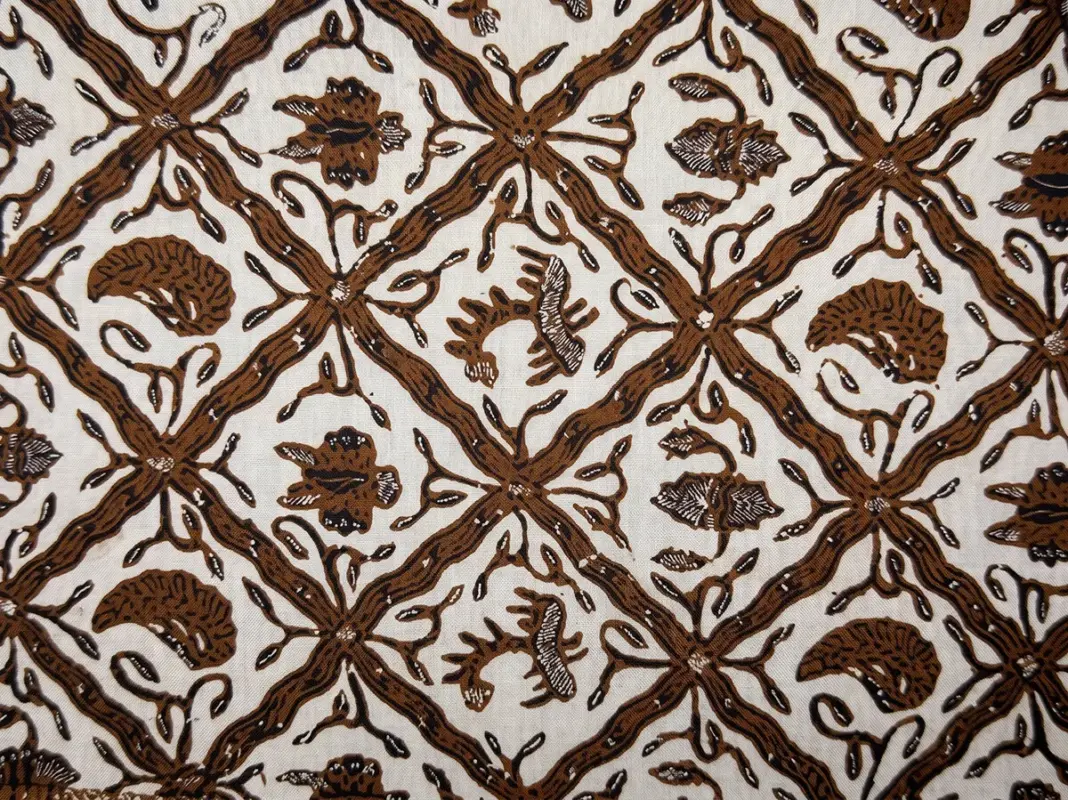
Design Name : Semen Rante Original Design Form : Solo Wear For : The Messenger Design Mean : Arror hit target and binded Kind of Batik : Folk Batik
11
Sep
In an era increasingly dominated by mass production, the global movement toward slow fashion has rekindled a profound appreciation for authentic handmade textiles. Conscious creators and textile enthusiasts alike are seeking materials that tell a story, and among these cultural treasures, the Sidomulyo motif stands as a masterpiece of heritage craftsmanship. This is not merely […]
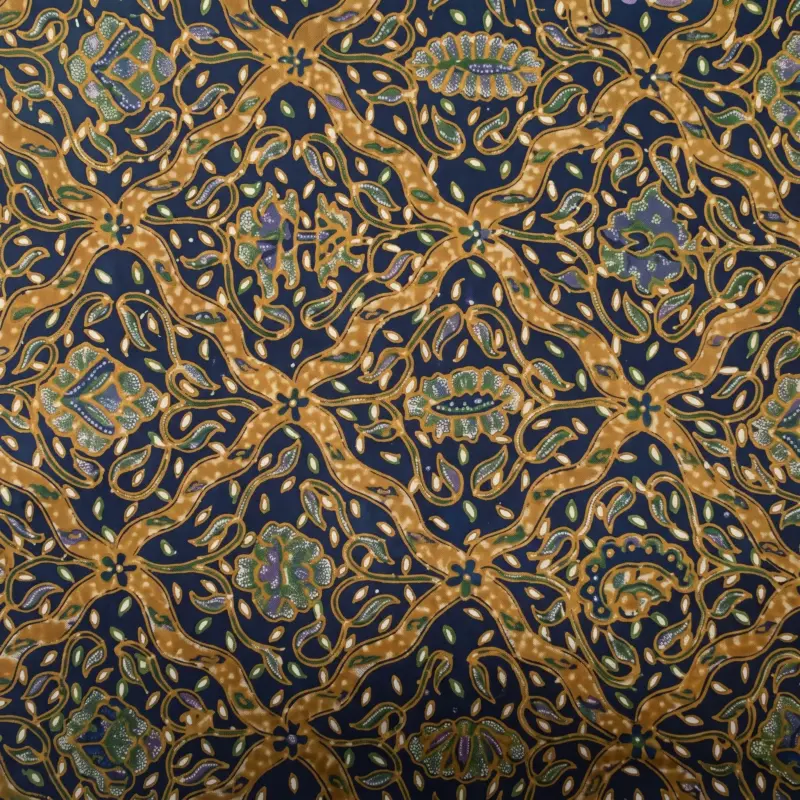
Batik Design Name : Bondhet Originally Region : Surakarta Palace Wear For : Girl in Ceremony of Wedding Night Design Mean : 2 soul to be union (one) soul after married
04
Sep
Summary: The Sido Luhur batik motif is a traditional Javanese pattern symbolizing nobility, honor, and high social status. Originating from Indonesia, this intricate geometric design is traditionally worn during significant cultural ceremonies, particularly weddings, to bestow blessings of a dignified life. Today, it remains one of the most respected and sought-after patterns in authentic Javanese […]
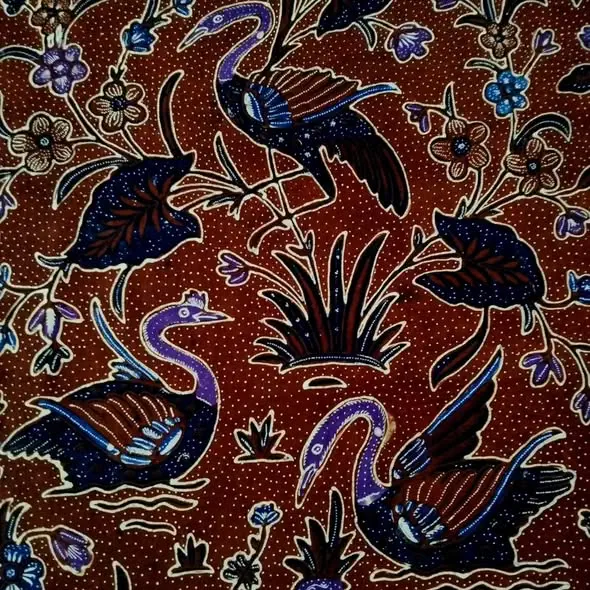
[frame src=”https://batiksfabric.com/wp-content/uploads/2013/12/petilan-semen-rante.jpg” link=”” target=”_self” alt=”petilan semen rante” align=”none” prettyphoto=”false”]It became spread out especially in Java, around 17th, 18th, 19th centuries. For the first time, it has just served as a hobby for the castle family. Next, it was used as a trade commodity in society. Solo batik was famous of its design and traditional pattern […]
23
Aug
The conclusion of the 1830 Java War against Dutch colonial forces triggered a massive cultural diaspora. Royal loyalists and master artisans fleeing the conflict decentralized the highly guarded textile arts of the Mataram courts across the Indonesian archipelago. This exodus laid the foundation for a dynamic evolution, transforming an aristocratic discipline into a thriving interregional […]
- 1
- 2