
 Deutsch
 Español
 Français
 Nederlands
 Português
 Русский
 日本語
日本語 Bahasa Indonesia
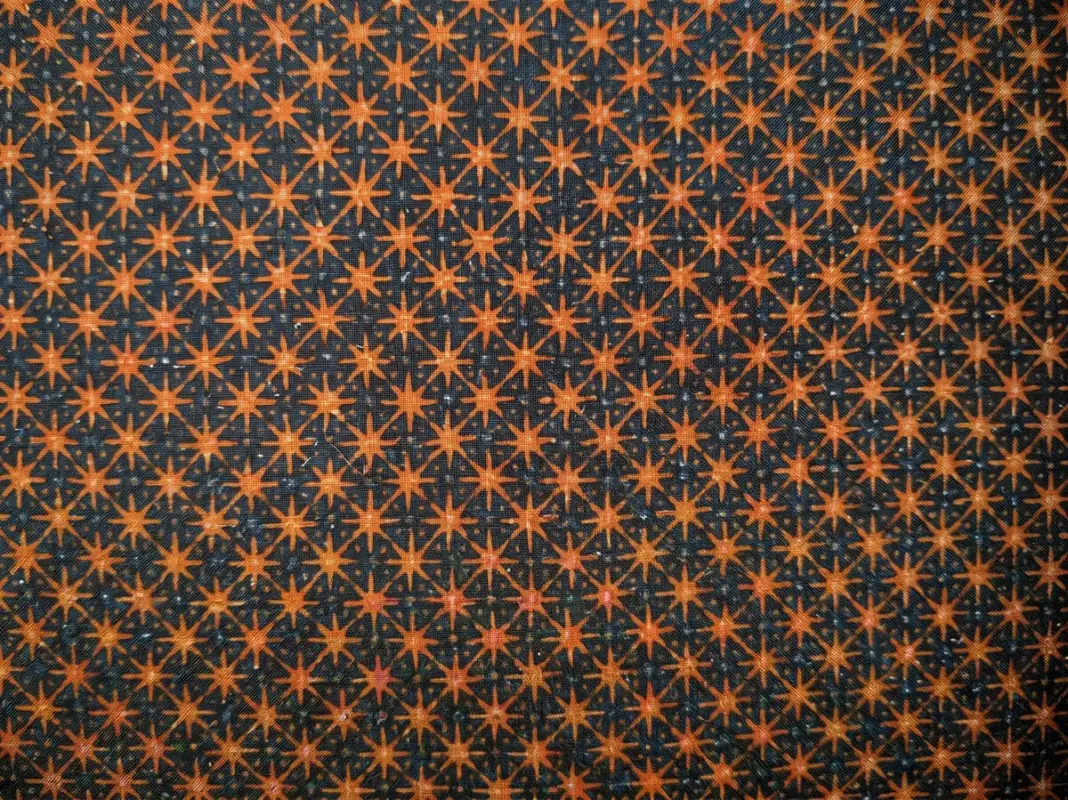
The Batik Truntum motif is a classical Javanese textile pattern characterized by tiny, rhythmic eight-pointed star and Tanjung flower blossoms set against a dark background. Created in the 18th-century Surakarta royal court, this micro-geometric design symbolizes rekindled devotion, unconditional love, and parental guidance.
Appreciating a heritage textile requires looking beyond its surface pattern. From the perspective of our family batik workshop in Pekalongan—where we have preserved traditional wax-resist craftsmanship since the 1930s—the true mastery of this design lies in the microscopic precision of every wax dot applied by the artisan’s hand.
What is the Meaning and Philosophy of the Batik Truntum Motif?
Derived from the Javanese word tumaruntum—meaning to grow, sprout, or blossom again—the Truntum batik meaning and philosophy represent everlasting affection, sincere devotion, and a guiding light in times of darkness.
Every visual component within this star blossom batik pattern carries deep cultural symbolism:
Etymology of Tumaruntum: Reflects love and harmony that continuously sprout anew and grow stronger through life’s challenges.
Starlight and Tanjung Blossom Visuals: The repetition of small, symmetrical petals represents both stars shining in the night sky and the fragrant Tanjung flower viewed from above, symbolizing inner peace and moral direction.
Color Symbolism of Sogan and Deep Black: The warm sogan brown petals represent humility and earthiness, while the deep black background reflects spiritual depth, resilience, and steadfastness.
The Royal History of Truntum Batik: Queen Kencana’s Meditative Art
The Truntum batik history dates back to the Surakarta Sunanate during the reign of Sunan Pakubuwono III, when his queen consort, Gusti Kanjeng Ratu Kencana (also known as Ratu Beruk), created the pattern as a meditative expression of loyalty and longing.
A Story of Patience and Rekindled Devotion
Historical court accounts tell that Queen Kencana felt neglected when the King turned his attention to a new concubine. Rather than giving in to resentment, the Queen turned to prayer and spent her quiet nights drawing tiny wax dots on cotton cloth while gazing at the stars in the dark sky.
Night after night, she poured her patience into rhythmic star-shaped blossoms. When Sunan Pakubuwono III visited her quarters and witnessed the extraordinary delicacy of her wax-resist work, he was deeply moved by her sincerity. His affection for the Queen blossomed once more, and their bond grew stronger than ever.
Evolution from the Royal Kraton to Heritage Textile
What began as an intimate royal creation inside the palace walls gradually became a cherished emblem of marital harmony across Java. Over generations, master artisans developed classic variations such as Truntum Garuda, Truntum Babon Angrem, and Truntum Pari while preserving the signature eight-pointed star geometry at the center of the cloth.
Cultural Significance: Why Truntum is Essential in Javanese Weddings
In a traditional Javanese wedding batik ceremony, the Batik Truntum motif is worn specifically by the parents of the bride and groom during the Midodareni and Panggih rituals to symbolize their duty to guide the newlyweds into married life.
This tradition connects the pattern to the Javanese word tuntun, which means to lead or guide. By wearing this cloth, parents express their blessing that sincere, ever-blossoming love will pass down to the young couple as they build a new household together.
From Artisan Workshop to Fabric: How Authentic Truntum Batik is Made
Crafting thousands of uniform micro-stars across yards of fabric requires exact temperature control of the molten beeswax and paraffin mixture. In our Pekalongan manufacturing studio, we produce this classic pattern using traditional manual wax-resist methods on breathable cotton and rayon weaves.
The Technical Challenge of Symmetrical Micro-Dots
The primary technical challenge in producing the Batik Truntum motif is maintaining crisp separation between the eight star petals and the surrounding micro-dots. If the molten wax is overheated, the tiny petals bleed into one another; if the wax cools too quickly, it fails to penetrate the cotton core, causing dye seepage during immersion.
Comparing Batik Tulis and Batik Cap in Truntum Production
Both hand-drawn and hand-stamped techniques produce authentic wax-resist textiles suited for different creative applications:
Understanding the True Black and Sogan Dyeing Process
For international textile buyers, fashion designers, and quilters examining product photography online, there is an important visual nuance unique to genuine hand-dyed batik. On the actual physical cloth, the background color of our classic Truntum fabric is a true, deep black.
Because the fabric undergoes traditional hand-dyeing layered with warm sogan brown baths and manual wax-resist treatments, camera sensors and studio lighting often pick up a subtle brownish undertone mixed with black in photographs. In person, however, the base fabric is genuinely jet black, providing a rich, dimensional contrast against the golden-brown sogan star blossoms that flat machine printing can never replicate.
How to Use Truntum Batik Fabric in Modern Quilting, Apparel, and Craft
Thanks to its balanced, small-scale repeat, authentic Truntum batik fabric by the yard is highly versatile for both modern craft and garment construction:
Quilting and Patchwork Projects: For quilters and sewists in the United States and worldwide, this micro-geometric star design serves as an exceptional blender fabric, sashing, or border that bridges bold focal blocks without overwhelming the quilt top.
Boutique Apparel Design: The tight cotton weave and timeless geometry make it ideal for tailored men’s dress shirts, structured blouses, resort wear, and heritage accessories.
Fabric Care Guidelines: Hand wash or machine wash on a gentle cold cycle using mild, phosphate-free soap. Line dry in the shade away from direct sunlight to preserve the deep black background and warm sogan tones for decades.
Frequently Asked Questions
What is the meaning and philosophy of the Batik Truntum motif?
The Batik Truntum motif derives from the Javanese word tumaruntum, meaning to sprout or blossom again. It symbolizes eternal, unconditional love that continuously grows, sincere marital devotion, and parental guidance.
Who created the Truntum batik pattern and what is its history?
The pattern was created in the 18th century by Gusti Kanjeng Ratu Kencana (Queen Beruk), the consort of Sunan Pakubuwono III of the Surakarta Sunanate. She meditatively drew the star-like wax dots at night during a period of loneliness, and her patience and artistry rekindled the King’s deep love for her.
Why is Batik Truntum worn by parents at Javanese weddings?
During traditional Javanese wedding ceremonies such as Midodareni and Panggih, the parents of the bride and groom wear Batik Truntum to symbolize their role in guiding (menuntun) the young couple as they enter adulthood and build a harmonious family.
What flower is depicted in the Truntum batik design? The eight-pointed star shape in the Batik Truntum motif depicts the small, fragrant Bunga Tanjung (Mimusops elengi flower) viewed from above, set against a dark background representing stars in the night sky.
Why does the black background of authentic Truntum batik look slightly brownish in photos? On genuine hand-dyed Truntum fabric, the actual physical background is true black. However, because the fabric undergoes traditional manual dyeing layered with warm sogan brown dye and wax-resist steps, camera lighting often captures a subtle brownish undertone mixed with black in photographs.
How can you tell authentic wax-resist Truntum batik from machine-printed fabric? Authentic hand-stamped (Batik Cap) or hand-drawn (Batik Tulis) Truntum fabric displays identical color saturation on both the front and back sides of the cotton weave, along with subtle organic variations in the star dots. Machine-printed imitation fabric is only printed on one side, leaving the reverse side pale or white.
Is Batik Truntum fabric suitable for quilting and patchwork? Yes, the tight cotton weave and small-scale, all-over geometric star repeat make the Batik Truntum motif an ideal blender fabric, sashing, or border material for modern quilting and patchwork sewing projects.
