
 Deutsch
 Español
 Français
 Nederlands
 Português
 Русский
 日本語
日本語 Bahasa Indonesia
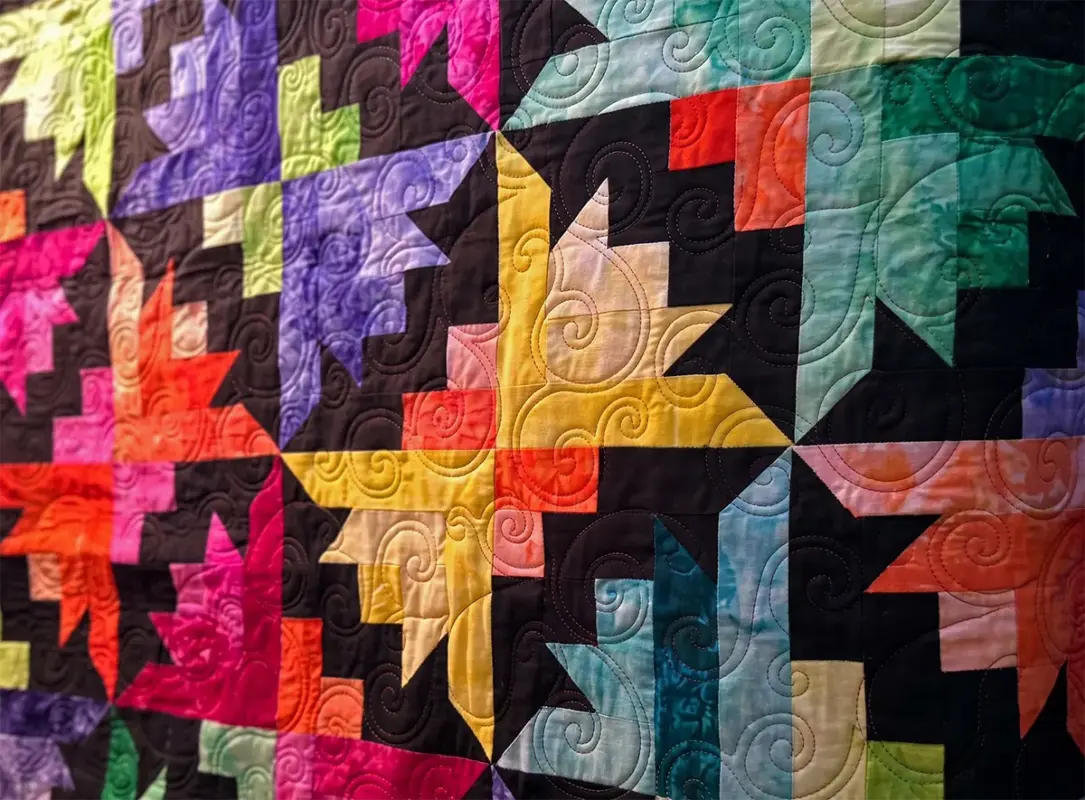
Choosing authentic Indonesian batik fabric for quilting is one of the most rewarding ways to elevate a patchwork or appliqué project into an heirloom masterpiece. Originally inspired by the traditional craft of piecing together leftover artisan textile trimmings so that no hand-dyed cloth went to waste, quilting batik fabric has evolved into a premier global textile industry. Today, quilt makers across the United States, Europe, and Australia prize authentic Indonesian batik fabric for its high thread count, minimal fraying, reversible dye saturation, and organic mottled color depth.
Beyond its commercial and artistic value, sewing with batik is a deeply relaxing, stress-relieving creative pastime. In this comprehensive guide, we explore everything you need to know about how to quilt with batik fabrics—including selecting the best regional Indonesian color palettes, safe prewashing techniques to prevent dye bleeding, working with precut Batik Jelly Rolls and Fat Quarters, and mastering seamless quilt backs with 108-inch wide batik fabric.
Key Takeaways: Quilting with Indonesian Batik Fabrics
- Tightly Woven 100% Cotton: Quilting batiks feature a dense weave (typically 130×70 thread count or higher) that holds crisp edges and resists fraying in complex quilt blocks.
- Reversible Design (No Wrong Side): Because traditional wax-resist dyeing penetrates completely through the cloth, both sides are equally vibrant for effortless piecing.
- Regional Color Palettes: Source light pastels from Pekalongan and Yogyakarta, bold vibrant hues from Cirebon, and deep contrasting browns or indigos from Solo and Sunda.
- Pre-Cut Convenience: Available in Jelly Rolls (2.5″ × 44″ strips), Fat Quarters (18″ × 22″ cuts), and 108″ Wide Batik Fabric for seamless King and Queen quilt backings.
Why Quilters Love Authentic Indonesian Batik Cotton
What makes Indonesian cotton batik different from standard factory screen-printed quilting cotton? Unlike mass-produced fabrics where pigment ink sits only on the top surface, authentic batik is handcrafted using hot beeswax and paraffin resist (Batik Cap and Batik Tulis) combined with vat dyeing. This artisanal process creates three technical benefits for quilt makers:
- Natural Mottled Gradients (Blender Effect): Hand-dyeing creates subtle tonal shifts and delicate wax crackle veins, allowing batik patches to blend harmoniously across color transitions without harsh mechanical lines.
- Superior Dimensional Stability: Because the cloth is boiled during production (nglorod) to melt away the wax resist, batik cotton is denser and more stable for precision rotary cutting and raw-edge appliqué.
- Double-Sided Color Saturation: With no pale “wrong side,” you never have to worry about accidentally flipping a fabric piece during chain piecing or paper piecing.
The Best Colors and Patterns for a Batik Quilt

When designing a standout quilt, balancing color value (light, medium, and dark tones) and pattern scale is essential. Whether you prefer a vibrant, kaleidoscopic art quilt or a calm, earthy heritage bedspread, Indonesia’s diverse batik-producing regions offer distinct natural and vat-dyed palettes.
1. Light and Earth Tones (Pekalongan, Indramayu, Garut & Yogyakarta)
Every striking quilt requires light background values—such as warm ivory, soft cream, pale yellow, and sandy beige—to give the eye a place to rest and make darker star or log-cabin blocks pop. For luminous light tones, look toward coastal batik centers like Pekalongan and Indramayu, or inland West Javanese workshops in Ciamis and Garut, famous for creamy ivory (gumading) grounds. Even within classical court batik, Yogyakarta batik is renowned for its crisp, bright white backgrounds that contrast sharply against geometric motifs.
2. Bold and Vibrant Colors (Cirebon & Trusmi Coastal Batik)
Adding saturated, high-energy colors gives your batik quilt a lively focal point. The coastal port city of Cirebon—particularly the famous artisan village of Batik Trusmi—is Indonesia’s premier destination for bold, multi-colored textiles. Cirebon batiks feature fiery crimson reds, cobalt blues, tangerine oranges, and sunny yellows, alongside iconic cloud formations (Mega Mendung) that bring dynamic movement to modern quilt tops.
3. Deep and Contrasting Dark Colors (Surakarta / Solo & Sunda)
To anchor your quilt design and create dramatic shadow depth, incorporate rich dark fabrics. Solonese (Surakarta) batik is celebrated for its deep, velvety earthy browns, golden ambers, and charcoals (known as sogan). Meanwhile, Sundanese batik from West Java excels in midnight blues, deep botanical indigos, and regal plum purples.
Regional Batik Color Guide for Quilt Designers
| Quilt Color Value | Best Indonesian Batik Region | Signature Shades | Recommended Quilt Role |
|---|---|---|---|
| Light & Neutral Values | Pekalongan, Garut, Ciamis, Yogyakarta | Ivory, white, cream, soft butter yellow, light tan | Background negative space, sashing, inner borders |
| Medium & Bold Accents | Cirebon (Trusmi), Lasem, Bali | Crimson red, turquoise, coral orange, emerald green | Center star points, floral appliqué, focal blocks |
| Dark & Shadow Values | Surakarta (Solo), Tasikmalaya (Sunda) | Deep sogan brown, midnight indigo, navy, purple | Outer framing borders, binding, shadow contrast |
By combining these three color tiers, you can piece both universal nature motifs—such as tropical flowers, butterflies, and elephants—and classical Indonesian cultural symbols like the mystical Garuda bird or Wayang (Javanese shadow puppet) silhouettes.
Prewashing Batik Fabric for Quilting: Step-by-Step Guide
Should you prewash batik fabric for quilting? For yardage and Fat Quarters, most professional quilters strongly recommend prewashing before cutting. Because authentic batiks are hand-dyed in rich immersion vats, deeply saturated hues (especially reds, indigos, and turquoise) can hold residual surface dye that may bleed onto lighter fabrics if washed for the first time after the quilt is assembled. Prewashing also removes any trace natural wax residue and ensures maximum shrinkage stability.
Note: Do not prewash small precut strips like Jelly Rolls, as narrow 2.5-inch strips can tangle or fray at the edges in water. Instead, include a dye-trapping sheet during the finished quilt’s first cold wash.
How to Wash Batik Fabric Safely Before Quilting:
- Wash by Hand in Cool or Lukewarm Water: Hand washing in a clean basin gives you immediate visual control if a dark fabric releases excess dye.
- Use Gentle, pH-Neutral Soap or Natural Cleaners: Avoid harsh chemical laundry detergents containing bleach or optical brighteners. Instead, use a specialized textile surfactant (like Synthrapol), mild baby shampoo, or traditional botanical cleaners such as lerak (soapnut) or natural citrus-peel infusions.
- Sort Strictly by Color Family: Never mix dark indigos or reds with pale creams during prewashing. Adding a commercial Color Catcher sheet helps trap loose dye molecules in the water.
- Do Not Wring or Tumble Dry on High Heat: Gently press out excess water by hand without twisting the fibers.
- Line Dry in the Shade & Press Crisp: Air-dry your batik fabrics away from direct harsh sunlight to protect dye vibrancy, then press flat with a warm steam iron before rotary cutting.
3 Best Types of Batik Cuts for Quilting Projects
Whether you are piecing miniature geometric blocks or backing a King-size heirloom bedspread, selecting the right fabric cut saves hours of cutting time and reduces textile waste.
1. Batik Jelly Rolls (2.5″ × 44″ Pre-Cut Strips)
What is a Batik Jelly Roll? A Jelly Roll is a color-coordinated bundle of 20 to 40 pre-cut fabric strips, each measuring exactly 2.5 inches wide by 44 inches long (selvedge to selvedge). Jelly Rolls eliminate tedious strip cutting and allow quilters to dive straight into sewing intricate patterns—including Rail Fence, Log Cabin, Bargello, Jelly Roll Race, Twist, and Checkerboard quilts. You can find ready-to-sew precuts and inspiration at our online fabric store, or slice your own 2.5-inch strips from leftover Balinese and Javanese batik yardage.
2. Batik Fat Quarters (18″ × 22″ Pre-Cut Bundles)
What is a Fat Quarter fabric? Unlike a standard quarter-yard strip (which measures a narrow 9″ × 44″), a Fat Quarter is cut by dividing one full yard (or meter) of fabric into four equal rectangular quadrants. Depending on whether the bolt was cut in imperial yards or metric meters, a Batik Fat Quarter measures approximately 18″ × 22″ (46 cm × 56 cm)—or up to 19.5″ × 22″ (50 cm × 55 cm) for metric half-meter quarters. This generous rectangular shape is ideal for cutting larger patchwork blocks, appliqué templates, and star centers.
3. 108-Inch Wide Batik Fabric (Seamless Quilt Backing)
What is 108″ wide batik fabric? While standard quilting cotton bolts measure 42 to 44 inches wide, 108-inch wide batik fabric (274 cm wide) is woven on extra-wide industrial looms and hand-dyed specifically for quilt backings and luxury bed linens. Using 108″ wide batik saves hours of labor because you can back a Queen or King-size quilt in one single, continuous sheet—completely eliminating bulky horizontal or vertical back seams and providing smooth tension for longarm quilting machines.
Comparison Table: Batik Quilting Cut Sizes & Best Uses
| Batik Cut Type | Standard Dimensions | Prewash Before Cutting? | Best Quilting Application |
|---|---|---|---|
| Batik Jelly Roll | 2.5″ × 44″ (6.3 cm × 112 cm) strips | No (Wash after quilt is finished) | Strip piecing, Log Cabin, Bargello, binding strips |
| Batik Fat Quarter | 18″ × 22″ (46 cm × 56 cm) rectangles | Optional (Hand soak in cold water) | Large quilt blocks, appliqué shapes, sampler quilts |
| Standard Yardage | 36″ × 44″ (91 cm × 112 cm) per yard | Yes (Recommended) | Borders, sashing, background yardage, garment sewing |
| 108″ Wide Batik | 36″ × 108″ (91 cm × 274 cm) per yard | Yes (Gentle cold soak) | Seamless Queen/King quilt backing, longarm quilting |
Pro Sewing Tips: Needles, Thread & Pressing for Batik Quilts
Because authentic Indonesian quilting batik has a higher thread count than regular calico cotton, applying a few simple sewing machine adjustments will ensure effortless stitching:
- Use a Microtex (Sharp) Needle: Standard universal needles have a slightly rounded tip that can cause a “popping” sound or skipped stitches when piercing tightly woven batik. Switch to a slim, sharp 70/10 or 80/12 Microtex needle for buttery-smooth stitches.
- Choose Fine 50wt Cotton Thread: A fine, strong 50-weight 100% cotton thread nestles cleanly into the dense batik weave without adding bulk to your 1/4-inch seams.
- Press Seams Open or to the Dark Side: Because batiks are densely woven and opaque, dark batik seam allowances rarely show through lighter batik fabrics—giving you clean, flat quilt blocks every time.
Frequently Asked Questions (FAQ) About Batik Fabric for Quilting
1. Why is Indonesian batik fabric so popular for quilting?
Indonesian cotton batik is prized by quilters because its high thread count (tightly woven primisima or poplin cotton) prevents fraying when cutting complex geometric pieces or raw-edge appliqué. Furthermore, traditional wax-resist vat dyeing produces organic, mottled color transitions and reversible front-to-back saturation that add extraordinary visual depth to quilt tops.
2. Should you prewash batik fabric before quilting?
Yes, prewashing batik yardage and Fat Quarters in cold water with a mild, pH-neutral soap and a dye-trapping sheet is recommended to remove excess surface dye and prevent color bleeding later. However, avoid prewashing narrow precut strips like Batik Jelly Rolls so the 2.5-inch edges do not fray before sewing.
3. Can you mix batik fabric with regular quilting cotton in the same quilt?
Yes, mixing Indonesian batik fabric with standard printed quilting cotton creates striking textural contrast. Because batiks have a slightly tighter weave than standard quilting cotton, prewash both fabric types beforehand so their shrinkage rates match once the finished quilt is laundered.
4. What sewing machine needle is best for quilting batik fabric?
A 70/10 or 80/12 Microtex (Sharp) needle is the best choice for piecing and quilting batik fabrics. The ultra-sharp point penetrates the dense, high-thread-count cotton weave cleanly without deflecting, skipping stitches, or leaving visible pinholes.
5. Which side is the “right side” of batik fabric when piecing a quilt?
Authentic wax-resist Indonesian batik has no “right” or “wrong” side. Because the cloth is fully submerged in dye vats rather than printed on one surface, both sides of the fabric display nearly identical color richness and pattern clarity—allowing you to use either side in your quilt blocks.
6. How many yards of 108-inch wide batik fabric do I need to back a quilt?
Because 108-inch wide batik fabric is 3 yards wide (9 feet across), you only need to purchase the length of your quilt plus 8 inches for longarm overhang. Typically, 2.5 yards covers a Twin or Throw quilt, 3 yards covers a Queen quilt, and 3.5 yards covers a King-size quilt without any pieced back seams.
