
 Deutsch
 Español
 Français
 Nederlands
 Português
 Русский
 日本語
日本語 Bahasa Indonesia
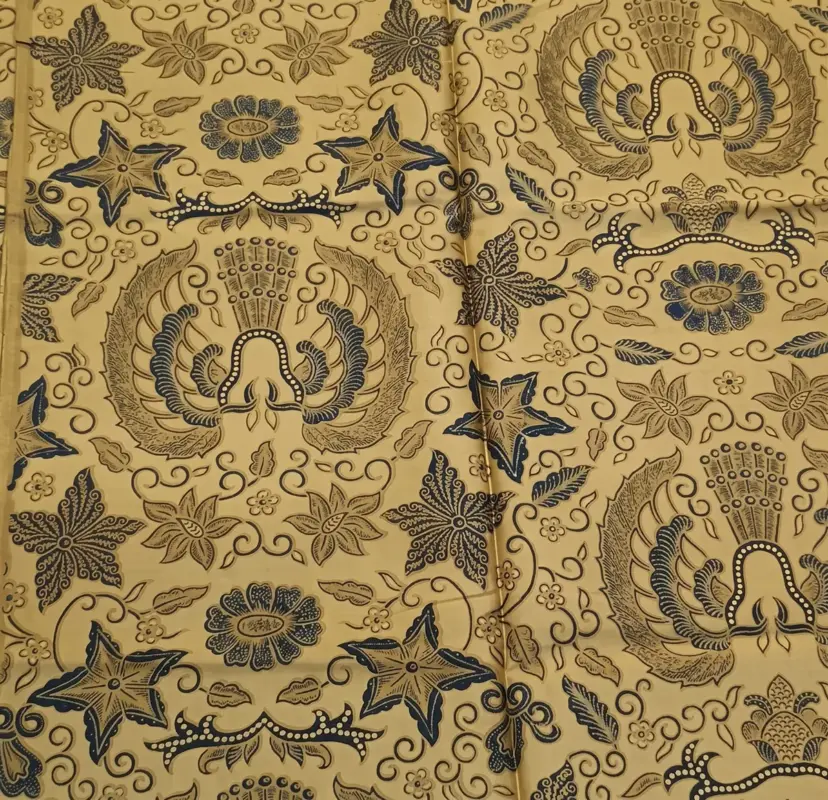
In the rich tapestry of Indonesian heritage, Javanese batik is far more than decorative fabric; it is a wearable prayer painted in hot beeswax. Among the ratusan of classic designs preserved across Central Java, the Grageh Waluh batik motif stands out as one of the most relatable and inspiring patterns for everyday life. Rooted in agrarian wisdom, this timeless design captures the quiet strength of nature and translates it into a visual reminder of human ambition, resilience, and humility.
Whether you are a textile collector, a cultural enthusiast, or someone looking for a meaningful gift, understanding the story behind your fabric transforms how you wear it. In this comprehensive guide, we explore the etymology, philosophical depth, visual anatomy, and practical ways to identify a genuine piece created by traditional Javanese artisans.
What Is the Grageh Waluh Batik Motif?
The Grageh Waluh batik motif is a classic traditional Javanese batik pattern inspired by the creeping vines and tendrils of the pumpkin plant (Cucurbita moschata). Originating from the cultural heartlands of Yogyakarta and Surakarta (Solo), this botanical design symbolizes having a clear direction in life, unwavering perseverance, and continuous personal growth.
To truly appreciate how Javanese master weavers constructed this visual metaphor, it helps to break down its name from the local Javanese language:
Grageh (or Gelageh): Refers to the creeping tendrils or vines of a plant that actively reach out, climb, and search for sunlight and support.
Waluh: The Javanese word for pumpkin or gourd, a hardy agricultural crop known for thriving in diverse soil conditions and yielding nourishing fruit.
Combined, the phrase translates to the reaching vines of the pumpkin plant—a simple botanical observation that Javanese philosophers elevated into a profound life lesson.
The Deep Philosophy Behind the Grageh Waluh Pattern
When exploring the Grageh Waluh meaning and philosophy, we uncover how deeply agrarian communities in Central Java observed their environment. Every curve of the wax-resist line carries moral guidance meant to accompany the wearer through different stages of life.
1. A Symbol of Ambition and Clear Life Goals (Cita-Cita)
Just as pumpkin tendrils continuously stretch outward toward the sun, human beings are encouraged to always hold onto high ideals, dreams, and a sense of direction. In Javanese culture, wearing a batik symbolizing life purpose serves as a personal anchor. It reminds the wearer never to drift aimlessly, but to wake up each day with a meaningful objective to pursue.
2. Perseverance and Adaptability (Ketekunan)
Pumpkin vines are remarkably resilient. They can grow across rocky ground, climb over obstacles, and survive shifting weather seasons. Philosophically, this teaches patience and mental fortitude. When one path is blocked, a person with the spirit of Grageh Waluh adapts, finds a new foothold, and continues growing forward without losing their core identity.
3. Grounded Humility and Usefulness
Unlike towering trees that stand high above the ground, the pumpkin plant stays close to the earth as it spreads, yet it produces heavy, nutritious fruit where every part—from the leaves to the seeds—benefits the community. This reflects the Javanese ideal of andhap asor (humility): no matter how far your career or achievements reach, you must remain grounded and useful to the people around you.
Artisan Insight from the Workshop:
“In our village workshops in Solo and Yogyakarta, parents often commission this pattern for their children who are graduating from university or starting their first job. Drawing the continuous tendrils with a canting requires steady breathing; if you rush, the wax line breaks. It is the exact same lesson the cloth gives to the young person wearing it—move forward steadily, and do not let your spirit break.”
— Ibu Sari Ningsih, Senior Batik Artisan
Visual Characteristics and Anatomy of the Motif
While many traditional Javanese batik patterns feature strict geometric grids or royal mythological creatures like the Garuda, Grageh Waluh balances structured repetition with organic, flowing movement. Here are the key visual elements that define an authentic Yogyakarta Solo batik in this style:
Ornamen Utama (Primary Ornaments): Stylized, curving pumpkin tendrils that interlock or flow diagonally and horizontally across the cloth, accompanied by stylized foliage or rounded gourd segments.
Isen-Isen (Micro-Filler Patterns): Master artisans fill the interior spaces of the vines and leaves with delicate cecek (fine wax dots) and sawut (tiny, hair-like radiating lines) to create texture and depth.
Sogan Color Palette: Historically dyed using natural extracts from tree bark (tingi, jambal, and tegeran), the classic motif features warm earthy browns, deep indigo-black backgrounds, and soft ivory-cream highlights (in Yogyakarta style) or golden-amber undertones (in Surakarta style).
[Internal Link Suggestion: Read our detailed guide on the difference between Yogyakarta and Solo Sogan Batik palettes]
Grageh Waluh vs. Kembang Waluh: Understanding the Difference
Because both patterns reference the pumpkin plant (waluh), textile buyers and automated search summaries often confuse the Central Javanese Grageh Waluh with the coastal East Javanese Kembang Waluh. The table below outlines their distinct regional and visual identities:
| Feature | Grageh Waluh Batik | Gedhog Kembang Waluh Batik |
| Region of Origin | Central Java (Yogyakarta & Surakarta) | East Java (Tuban Coastal Region) |
| Visual Focus | Creeping pumpkin vines and tendrils (grageh) | Pumpkin blossoms (kembang) often paired with birds |
| Fabric Base | Fine cotton (primissima) or silk | Hand-spun, thick cotton (tenun gedhog) or fine cotton |
| Philosophical Meaning | Ambition, life purpose, and steady perseverance | Resilience in arid land, harmony, and prosperity |
| Traditional Colors | Earthy sogan brown, indigo black, and warm ivory | Deep indigo blue, crimson red (mengkudu), and white |
How to Wear and Style Grageh Waluh Batik Today
In the past, the Grageh Waluh batik motif was primarily worn as a kain panjang (a long wrap-around skirt cloth) for daily communal gatherings or traditional ceremonies. Because it does not belong to the Batik Larangan (forbidden royal motifs restricted exclusively to the Sultan and his immediate family), anyone can wear it respectfully in any setting.
In contemporary fashion, its harmonious, non-intrusive pattern makes it highly versatile:
Professional & Executive Wear: Tailored into a long-sleeved dress shirt or structured blazer, the subtle sogan tones project quiet authority and cultural sophistication in boardrooms or academic conferences.
Meaningful Milestone Gifts: Because of its association with hope and career direction, gifting a piece of this fabric for graduations, job promotions, or business launches carries deep emotional resonance.
Smart-Casual Styling: Pair a tailored blouse or outer kimono featuring this motif with neutral linen trousers or dark denim for an effortless heritage look.
Buyer’s Guide: How to Spot Authentic Hand-Drawn (Batik Tulis) Grageh Waluh
Since Indonesian batik was officially inscribed on the UNESCO Representative List of the Intangible Cultural Heritage of Humanity, global demand has surged—along with mass-produced factory imitations. When investing in hand-drawn batik tulis Indonesia, use these three field-tested sensory checks to verify authenticity:
Examine the Reverse Side of the Fabric: Turn the cloth over. In genuine batik tulis, the hot liquid wax penetrates all the way through the cotton fibers, and the fabric is submerged in dye baths. As a result, the Grageh Waluh batik motif will appear equally sharp and vibrant on both the front and the back. If the back side is pale or white, it is a machine-printed textile (batik printing).
Look for Organic Variations in the Cecek and Sawut: Inspect the tiny dots and fine lines inside the pumpkin vines. Because a human hand draws each dot using a copper canting, no two tendrils will be 100% mathematically identical. Slight variations in line thickness and dot spacing are the hallmark of true craftsmanship.
Smell the Fabric: Authentic hand-drawn and hand-stamped (batik cap) textiles retain a faint, pleasant, earthy aroma of natural beeswax (malam) and botanical dyes, even after washing. Factory-printed fabrics often smell of synthetic chemical inks.
Read Also : Bledak Sidoluhur with White Background
Frequently Asked Questions (FAQ)
1. What does the Grageh Waluh batik motif symbolize in Javanese culture? The Grageh Waluh batik motif symbolizes having a clear life purpose, high aspirations, and continuous personal growth. Inspired by the creeping tendrils of the pumpkin plant, it encourages the wearer to pursue their dreams persistently while remaining humble and useful to society.
2. Where does the Grageh Waluh batik pattern originate from? The Grageh Waluh pattern originates from the royal and agrarian cultural centers of Central Java, specifically Yogyakarta and Surakarta (Solo). While both cities share the motif, Yogyakarta versions typically feature brighter ivory-white backgrounds, whereas Solo versions showcase warmer, golden-brown sogan undertones.
3. Is Grageh Waluh considered a forbidden royal batik (Batik Larangan)? No, Grageh Waluh is not a forbidden royal motif (Batik Larangan). Unlike exclusive palace patterns such as Parang Rusak or Udan Liris, Grageh Waluh can be worn freely by anyone for daily wear, business attire, or traditional ceremonies without violating royal court etiquette.
4. What is the difference between Grageh Waluh and Kembang Waluh batik? Grageh Waluh originates from Central Java (Solo and Yogyakarta) and focuses visually on the creeping vines and tendrils (grageh) dyed in earthy sogan browns. In contrast, Kembang Waluh originates from the coastal region of Tuban, East Java, featuring pumpkin blossoms (kembang) on hand-spun cotton with bold indigo blue and crimson red dyes.
5. How can I tell if my Grageh Waluh batik fabric is authentic hand-drawn batik tulis? To verify authentic hand-drawn batik tulis, flip the fabric over to check the reverse side. Genuine wax-resist batik displays identical color depth and pattern clarity on both sides of the cloth. Additionally, look for slight, organic variations in the tiny cecek dots and sawut lines, which prove the wax was applied by a human hand using a copper canting rather than a printing machine.
6. What is the best fabric base Used for Grageh Waluh batik? Authentic Grageh Waluh batik is traditionally crafted on 100% high-thread-count cotton, such as Primissima or Prima cotton, as well as natural silk. High-grade cotton absorbs traditional sogan dyes deeply, holds crisp wax-resist lines, and offers breathable comfort for both garment tailoring and quilting projects.
7. How do you wash and care for traditional Grageh Waluh batik cloth? Wash your Grageh Waluh batik gently by hand in cool water using natural soap nuts (lerak) or a mild, pH-neutral baby shampoo. Avoid harsh chemical detergents, bleach, and wringing the cloth tightly. Always hang the fabric to dry in a shaded, well-ventilated area away from direct sunlight to preserve the rich sogan dye tones.
Where does the Grageh Waluh pattern originate from?
It originates from the cultural regions of Yogyakarta and Surakarta (Solo) in Central Java, Indonesia, where traditional sogan dyeing techniques have been passed down through generations of artisans.
