
 Deutsch
 Español
 Français
 Nederlands
 Português
 Русский
 日本語
日本語 Bahasa Indonesia
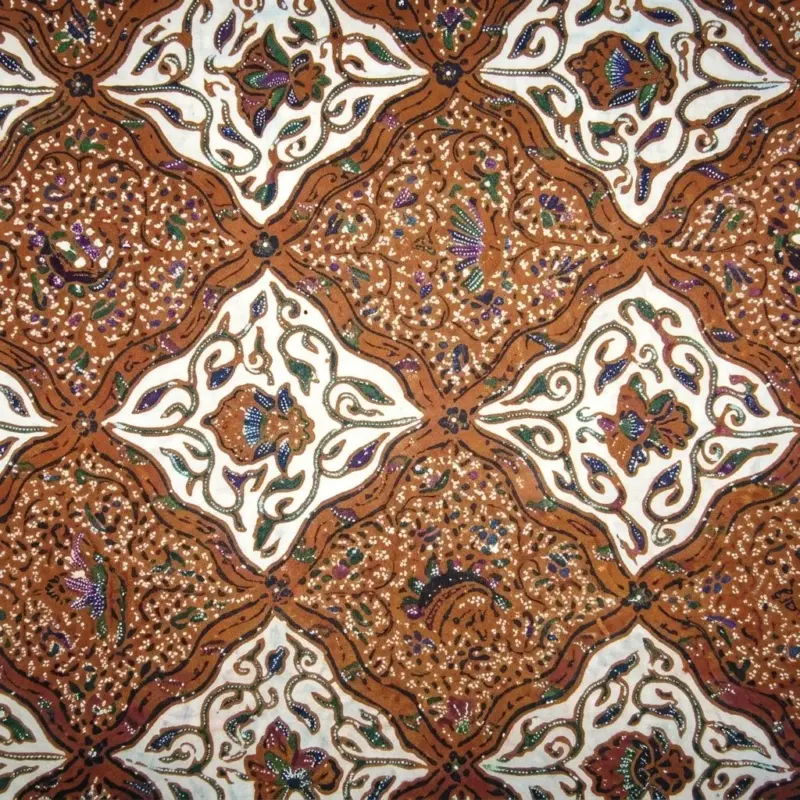
Understanding traditional Indonesian textiles requires looking past the dye and cotton to read the geometric language of the fabric. Among the classic wax-resist patterns, the Sido Asih batik motif holds a specific, highly revered place in Javanese culture, particularly regarding marriage and domestic life.
For textile buyers, designers, and enthusiasts, knowing the cultural weight of this pattern ensures it is sourced and utilized with appropriate respect and context.
What is Sido Asih Batik?
Quick Summary: Sido Asih is a traditional Javanese batik pattern characterized by a continuous geometric grid of diamonds (rhombuses) filled with intricate floral and botanical motifs. The name translates to “continuous affection” (Sido meaning fulfilled or continuous, and Asih meaning love). It is historically worn by brides and grooms during traditional Javanese wedding ceremonies as a symbolic prayer for a harmonious, loving marriage.
The Philosophy Behind the Pattern
The creation and wearing of traditional batik is heavily tied to the concept of wearable prayers. Patterns starting with the word “Sido” (such as Sido Mukti, Sido Luhur, and Sido Asih) are worn during significant life transitions.
The etymology of Sido Asih dictates its purpose. The continuous, unbroken geometric lines of the pattern represent an uninterrupted flow of affection and compassion. The wearer is enveloping themselves in a blessing, hoping that their life and relationships will be characterized by sustained mutual care.
Sido Asih in Javanese Wedding Traditions
In traditional Javanese culture, this specific fabric is prominently featured during the Panggih (the traditional meeting of the bride and groom). The couple wears matching Sido Asih garments to visually and spiritually unify them. The pattern serves as a communal blessing from their families, signaling the start of a household built on empathy and enduring love, rather than fleeting romance.
Analyzing the Visual Design
When analyzing authentic examples, such as the fabric shown in our sidoasih.jpg reference, several distinct design characteristics emerge:
The Geometric Grid: The foundation of the pattern is a continuous network of intersecting diagonal lines forming rhombus or diamond shapes. This structural repetition represents order, stability, and eternity.
Isen-Isen (Fillers): Inside each diamond, meticulous details are drawn or stamped. These typically include stylized floral vines, leaves, and sometimes abstract representations of birds or temples. These natural elements symbolize life, growth, and fertility.
Color Palette: Classic Sido Asih relies on a traditional earthy palette. The dominant color is usually soga—a deep, rich brown historically derived from natural barks and roots. This is contrasted with crisp white (un-dyed fabric) and deep indigo blue, grounding the design in earth tones that represent humility and warmth.
How Authentic Sido Asih Fabric is Manufactured
Translating this intricate design onto fabric requires precision and mastery of manual wax-resist techniques. While modern rotary screens can mimic the look, authentic Sido Asih is produced using traditional methods that yield a distinct tactile and visual quality on premium cotton and rayon base cloths.
Batik Tulis (Hand-Drawn): The most labor-intensive method. Artisans use a copper tool called a canting to pipe hot wax onto the fabric, meticulously drawing the diamond grids and filling the isen-isen entirely by hand.
Batik Cap (Hand-Stamped): A highly skilled technique where artisans use large copper stamps (cap) dipped in hot wax to apply the repeating geometric structure. Aligning the continuous diamond grid across a wide bolt of cotton or rayon without breaking the pattern requires immense structural precision and years of experience.
Once the wax is applied, the fabric undergoes multiple stages of hand-dyeing and boiling to achieve the deep soga brown and reveal the sharp, wax-resisted white lines.
Sourcing Traditional Batik from Pekalongan
For apparel manufacturers, boutique owners, and designers looking to incorporate authentic Sido Asih into their collections, understanding the manufacturing origin is critical.
Pekalongan, Indonesia, is globally recognized as the epicenter of batik production. Our family-owned enterprise, Ambologo, has been rooted in this city since the 1930s. Transitioning to formal factory operations in 1960 and engaging in global textile exports since 2010, we bridge the gap between historical craftsmanship and modern wholesale demands.
We maintain the integrity of patterns like Sido Asih through genuine batik cap and batik tulis production, ensuring that the cotton and rayon textiles we export worldwide carry the authentic weight, drape, and cultural accuracy of true Indonesian batik.
E. FAQ
What does the Sido Asih batik pattern mean? The name Sido Asih translates to “continuous affection” or “fulfilled love.” It is a traditional pattern symbolizing a prayer for a lifelong, harmonious, and loving relationship.
When is Sido Asih traditionally worn? It is most famously worn by Javanese brides and grooms during traditional wedding ceremonies, specifically during the Panggih (meeting) ritual, to bless their marriage.
What is the difference between Sido Asih and Sido Mukti? Both are traditional wedding batiks with geometric structures. However, Sido Asih specifically represents a prayer for continuous love and affection, while Sido Mukti represents a prayer for prosperity, happiness, and a good future.
What colors are traditionally used in Sido Asih? The authentic pattern typically utilizes a classic soga color palette, featuring deep earthy browns, contrasting white (the natural color of the resisted fabric), and sometimes dark indigo blue.
Is Sido Asih fabric printed or handmade? Authentic Sido Asih is handmade using wax-resist dyeing techniques, either drawn manually with a canting (batik tulis) or stamped with a copper block (batik cap). However, mass-produced, machine-printed textiles mimicking the pattern do exist in the modern market.
